
Common Causes of Rim Damage and How to Avoid Them
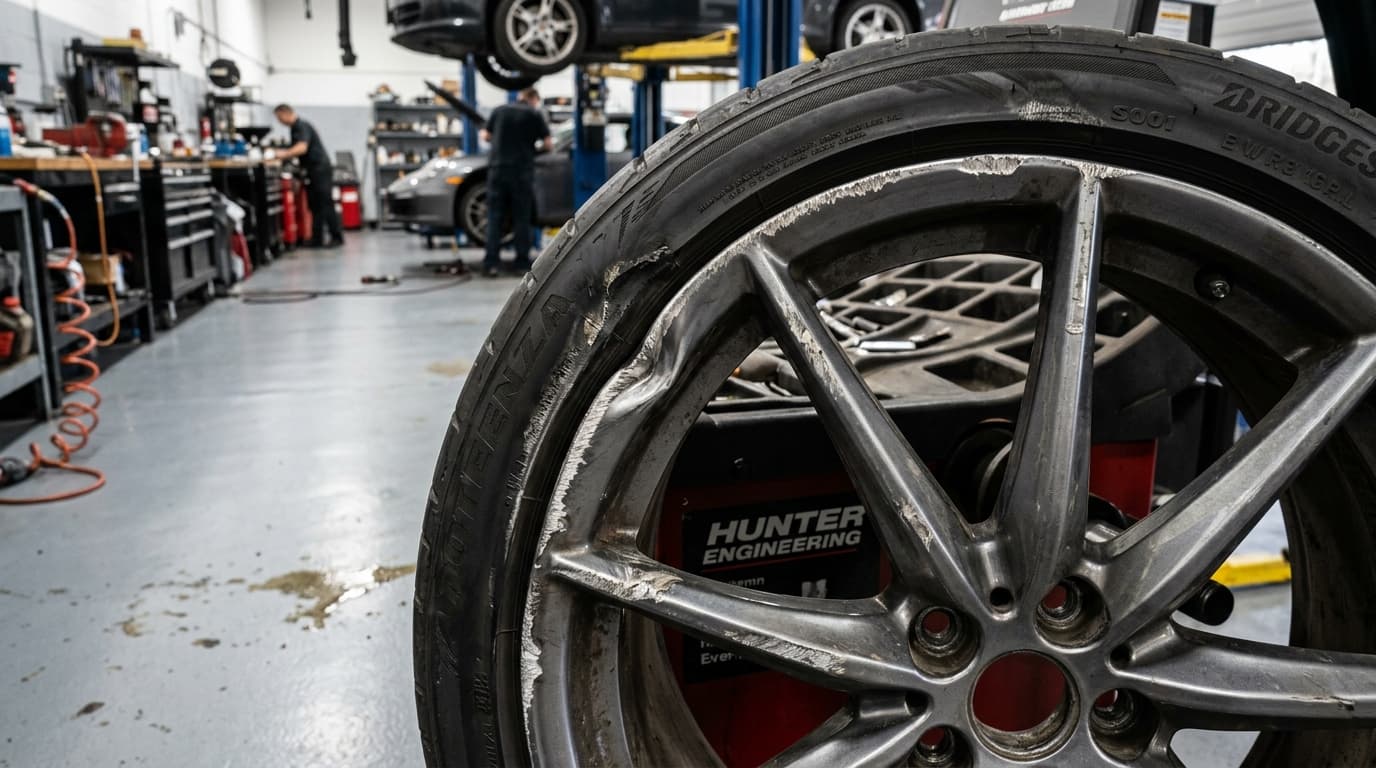
South Africa's roads are tough on vehicles — and your alloy wheels take the brunt of it. Whether you're navigating Cape Town's notorious potholes or squeezing into a tight parking bay, your rims are constantly at risk. Understanding the most common causes of rim damage is the first step toward protecting your wheels and avoiding expensive repair or replacement bills.
At Speedline Mags in Parow, we see damaged alloy wheels every single day. This guide covers what's actually destroying rims across the Western Cape and what you can do about it.
1. Potholes: The Number One Cause of Rim Damage in South Africa
It's no surprise that potholes top the list. Cape Town and the broader Western Cape have seen a dramatic increase in road surface deterioration over the past several years, and vehicles of all shapes and sizes are paying the price.
When your tyre drops into a pothole at speed, the rim takes a sudden, concentrated impact. This can cause several types of damage:
- Bent or buckled rims: The impact force deforms the rim's lip or inner barrel, causing it to go out of round. This leads to vibration at speed, uneven tyre wear, and slow leaks.
- Cracks: Deep, sharp-edged potholes can fracture an alloy wheel outright — particularly on low-profile tyres where there's less rubber between the rim and road.
- Bent spokes: On more intricate multi-spoke designs, individual spokes can flex beyond their limit and deform permanently.
How to Minimise Pothole Damage
The most effective defence against pothole rim damage is a combination of tyre pressure management and driving awareness:
- Keep tyres properly inflated. Under-inflated tyres reduce the cushioning between the rim and the road surface. At the correct pressure, the tyre absorbs more of the impact before it reaches the alloy.
- Slow down on poor roads. Impact force increases exponentially with speed. Even reducing from 60 km/h to 40 km/h makes a significant difference in how hard a rim hits the bottom of a pothole.
- Don't swerve aggressively. A controlled, straight hit on a pothole is often less damaging than catching the rim's edge at an angle.
- Stay alert at night and in wet conditions. Potholes are harder to see and water can conceal their depth.
If you suspect your rim took a hard hit, get it checked — even if it looks fine. A compromised rim that's not visibly cracked can still fail at highway speed. At Speedline Mags, we offer alloy wheel straightening and buckled rim repair to restore your wheel to true roundness.
2. Kerb Rash: The Most Common Cosmetic Rim Damage
Kerb rash — the scraping and gouging that happens when a rim makes contact with a pavement kerb — is arguably the most widespread type of rim damage. It's so common that most drivers simply accept it as inevitable. But it doesn't have to be.
Kerb rash typically occurs during:
- Parallel parking (misjudging the gap between your tyre and the kerb)
- Navigating tight parking bays in shopping centres
- Mounting a pavement at slow speed
- Turning too sharply in confined spaces
The damage ranges from light scuffs that affect the clear coat to deep gouges that expose raw metal. Left untreated, kerb rash causes the exposed alloy to oxidise and corrode — particularly in a coastal environment like Cape Town where salt air accelerates the process.
How to Avoid Kerb Rash
- Use parking sensors and cameras. Modern vehicles with reverse cameras make parallel parking far easier and reduce the risk of kerb contact.
- Install tyre protectors. Low-profile tyre protectors (sometimes called rim protectors) add a rubber lip around the tyre bead that makes first contact with the kerb before the rim does.
- Go slow in parking bays. Most kerb rash happens at low speed in car parks — taking extra care pays off.
- Know your vehicle's turning radius. SUVs and bakkies have wider turning circles than city cars. Adjust accordingly.
If you already have kerb rash, don't ignore it. We offer professional curb rash and alloy wheel cosmetic repair that restores the rim to its original finish — far cheaper than a full replacement.
3. Incorrect Tyre Pressure: The Silent Rim Killer
Many South African drivers are running on incorrect tyre pressure without even realising it. Both under-inflation and over-inflation create conditions that make rim damage far more likely.
Under-inflated tyres:
- Allow more sidewall flex, which can cause the tyre bead to move on the rim under hard cornering
- Reduce the cushioning effect against road impacts
- Increase the risk of the tyre unseating from the rim entirely in a severe impact
- Generate more heat, weakening the alloy over time
Over-inflated tyres:
- Make the tyre stiffer and less able to absorb impacts
- Transfer more shock directly to the rim
- Increase the severity of pothole damage
Best Practice for Tyre Pressure in South Africa
Check your tyre pressure at least once a month and before any long road trip. The correct pressure for your vehicle is listed on the sticker inside the driver's door jamb or in the owner's manual — not on the tyre sidewall, which shows the maximum pressure.
For Cape Town drivers: remember that altitude changes between the city bowl, the Cape Flats, and mountain passes can affect tyre pressure readings slightly.
4. Wrong Tyre Size: A Fitment Problem with Serious Consequences
Fitting tyres that are the wrong size for your rim is a surprisingly common cause of rim damage — particularly when buying second-hand tyres or upgrading to aftermarket rims without proper fitment advice.
A tyre that's too wide for the rim can cause the sidewall to bulge or fold on impact. A tyre that's too narrow can allow the bead to break loose. In both cases, the rim takes damage that the correct tyre would have prevented.
Additionally, running a much lower profile tyre than originally specified on your vehicle (lowering the aspect ratio without adjusting the rim size accordingly) removes protective sidewall height. This is a popular style choice — particularly on VW Golfs, BMW 3 Series, and Toyota Fortuners — but it does increase the risk of rim damage on South Africa's roads.
Getting Fitment Right
Always consult a wheel specialist before changing rim or tyre sizes. At Speedline Mags, we advise on correct fitment as part of our service — understanding wheel sizes and fitment is essential to both performance and wheel longevity.
5. Car Wash Machinery: An Overlooked Source of Rim Damage
Automatic car washes are one of the most underappreciated causes of rim damage. The rotating brushes and high-pressure nozzles found in drive-through car washes can:
- Scratch and chip the clear coat on polished or diamond-cut wheels
- Cause micro-abrasions on soft alloy finishes
- Chip powder-coated finishes if the nozzles are too close or the pressure is too high
This is a particular concern for diamond-cut wheels, which have a machined aluminium surface that's more vulnerable to abrasive contact than a powder-coated finish. For these wheels, hand washing is strongly recommended.
Safe Wheel Cleaning Tips
- Rinse wheels with a gentle stream of water before applying any cleaner
- Use a dedicated, pH-neutral alloy wheel cleaner — avoid acidic or alkaline products
- Use a soft-bristle brush designed for alloy wheels
- Avoid high-pressure washers aimed directly at the tyre bead area
- Dry your wheels after washing to prevent water spots and mineral deposit buildup
You can read more about this in our complete wheel care and maintenance guide.
6. Road Debris and Gravel: Chips and Scratches That Add Up
Loose stones, gravel, and road debris are constant hazards on South African roads — particularly on the R300, the N2 through the Overberg, and any rural route you might take on a weekend away.
Gravel chipping is especially common in Cape Town's winelands routes and on roads still awaiting resurfacing after load shedding-related infrastructure delays. Stone chips may seem minor, but each one removes a small layer of protective finish. Over time, bare metal patches develop, leading to corrosion underneath the lacquer.
Mud packing into wheel cavities is another concern — it adds weight imbalance and can trap moisture against the alloy.
Protective Measures
- Wheel wax or sealant: Applying a quality alloy wheel sealant creates a sacrificial layer that takes the hit before the clearcoat does. Reapply every three to six months.
- Tyre sidewall protectant: Keeps the rubber supple and provides some additional mass to deflect gravel on impact.
- Drive with more space to the vehicle ahead on gravel sections — their tyres fling stones directly at your rims.
7. Incorrect Jacking and Wheel Removal
This one is less common but worth mentioning: improper use of a trolley jack or failure to support the vehicle correctly when changing wheels can put concentrated stress on the rim's mounting face or lip, causing hairline cracks that aren't immediately obvious but worsen over time.
Always jack from the correct manufacturer-specified lift points. Never use a hydraulic jack directly under an alloy wheel.
What to Do When Rim Damage Has Already Occurred
If your rim is already showing damage, the options depend on severity:
- Light kerb rash or scuffs: Can be repaired via sanding, filling, priming, and refinishing. Powder coating or diamond-cut refurbishment restores a factory-fresh appearance.
- Buckled or bent rim: A wheel straightening machine can often restore roundness without replacement. See our guide to buckled rim repair and wheel straightening.
- Cracked rim: Cracks in the structural area of a rim are serious. Depending on the location and severity, welding repair may be possible — but safety must come first. We assess every crack individually.
- Corrosion: Early-stage corrosion can be cleaned and refinished. Advanced corrosion affecting structural integrity requires replacement.
Don't delay — damage that seems cosmetic can hide structural issues, and a wheel failure at speed is dangerous. If you're unsure, let a specialist take a look. The sooner a problem is caught, the cheaper and simpler the repair. Check out our guide on how much wheel repair costs to understand what to budget.
Protecting Your Investment: A Practical Summary
South African roads aren't going to improve overnight. But with the right habits, you can significantly reduce the risk of rim damage and extend the life of your alloys:
- Check tyre pressure monthly and before road trips
- Drive with care over known pothole zones — especially after rain when water hides depths
- Take your time parking — kerb rash is almost always avoidable
- Hand wash your wheels or use a touchless car wash
- Fit the correct tyre size for your rim
- Inspect your wheels regularly for chips, scuffs, and early corrosion
- Act quickly when damage is spotted — early repair is always cheaper
At Speedline Mags, based in Parow in Cape Town's Northern Suburbs, we've repaired thousands of alloy wheels for drivers across Bellville, Durbanville, Goodwood, and the wider Cape Metro. Whether your wheel took a hit on a pothole or scraped a parking kerb, we can assess the damage and give you an honest, expert recommendation.
Contact Speedline Mags today for a no-obligation assessment of your rim damage. We'll tell you exactly what's needed, what it will cost, and how long it will take. Your wheels are too important to leave to chance.