
Painting Your Wheels Black: Options, Costs & Pros and Cons
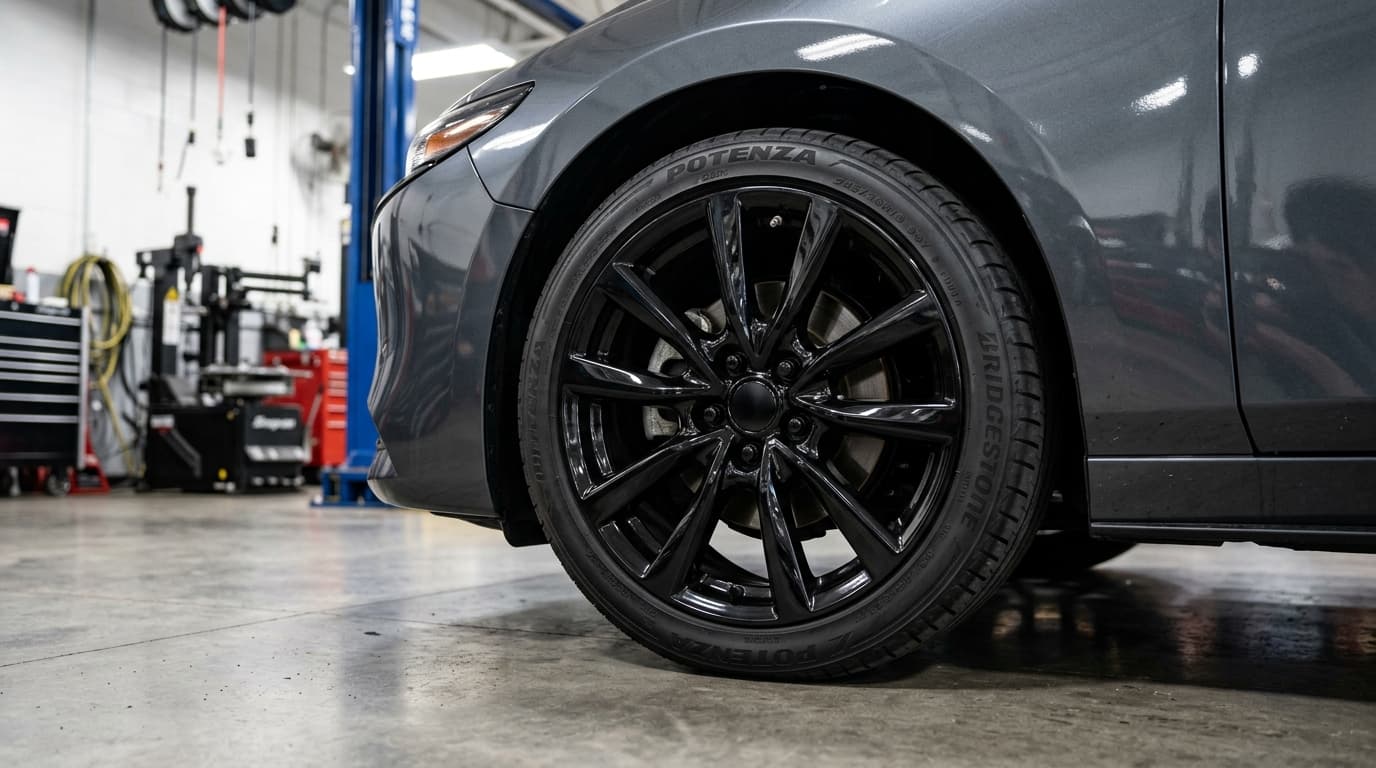
Few modifications transform the look of a vehicle as dramatically as painted black wheels. Whether you drive a VW Polo through the Northern Suburbs or a BMW 3 Series along the N1, switching to a black wheel finish instantly gives your car a more aggressive, premium appearance. But before you commit, it pays to understand the different methods, what each one costs in South Africa, and the trade-offs involved. This guide breaks it all down so you can make a confident decision.
Why Black Wheels Are So Popular
Black wheels have moved well beyond aftermarket tuner culture. Today you will find factory-fitted black alloys on everything from the Toyota Fortuner to the Mercedes-AMG range. The reasons are straightforward: black hides brake dust better than silver, complements virtually every body colour, and adds visual depth to the wheel design. In Cape Town, where coastal salt air and gravel-strewn roads take their toll on finishes, a well-applied black coating also offers a practical layer of protection.
The trend shows no sign of slowing down. Walk through any parking lot in Bellville or Parow and you will spot black wheels on daily drivers, bakkies, and weekend cars alike. The question is no longer whether black wheels look good — it is which method of getting them suits your budget and expectations.
Methods for Getting Black Wheels
There are three main approaches to turning your wheels black: spray painting, powder coating, and vinyl wrapping. Each has a place depending on what you need.
Spray Painting
Traditional spray painting uses automotive-grade primer, colour coats, and a clear coat applied with a spray gun. When done properly in a controlled environment, the result is a smooth, even finish that can rival factory quality.
Advantages: Lower cost than powder coating, wide range of finish options (gloss, satin, matte), easier to touch up if damaged, and faster turnaround — typically one to two days for a set of four.
Disadvantages: Not as durable as powder coating against stone chips and chemical exposure. Cheaper paint jobs using rattle cans or uncontrolled environments will peel, flake, and look patchy within months. Quality depends heavily on preparation and the skill of the painter.
Powder Coating
Powder coating applies a dry powder electrostatically to the wheel surface, which is then cured in an oven at around 200°C. The result is a hard, uniform shell that bonds to the metal at a molecular level. For a detailed comparison of this method against others, see our powder coating wheels complete guide.
Advantages: Exceptional durability — powder coating resists chips, scratches, brake dust corrosion, and UV fading far better than spray paint. The finish is thicker and more consistent, and there are no drips or runs. It is also more environmentally friendly, producing no volatile organic compounds during application.
Disadvantages: Higher cost, longer turnaround (two to five days depending on the shop), and more difficult to touch up if damaged — you often need to strip and recoat the entire wheel. Colour-matching an existing finish can also be trickier compared to mixing wet paint.
Vinyl Wrapping
Vinyl wrap is a newer option that applies a thin adhesive film over the existing wheel surface. It is removable, which appeals to people who lease vehicles or want to change colours frequently.
Advantages: Non-permanent, relatively affordable, and available in matte, gloss, satin, carbon fibre, and textured finishes. A skilled installer can achieve a clean result in a few hours.
Disadvantages: Vinyl on wheels takes a beating. Heat from braking, stone impacts, pressure-washer jets, and road grime all degrade the film. Most vinyl wraps on wheels last six to eighteen months at best before showing wear at the edges. It is not a long-term solution.
Types of Black Finish
Once you have chosen a method, you need to decide on the actual finish. The shade of black matters more than you might think.
Gloss Black
The most popular choice. Gloss black delivers a deep, wet-look shine that catches light and makes spoke patterns pop. It looks stunning when clean but shows brake dust, fingerprints, and minor scratches more readily than other finishes. Regular washing is essential — our ultimate wheel care guide covers best practices.
Satin Black
Satin sits between gloss and matte, offering a subtle sheen without the mirror-like reflections. It is increasingly popular on SUVs and bakkies because it hides dirt and minor imperfections better than gloss while still looking refined. Satin black pairs particularly well with darker vehicle colours like grey, navy, and charcoal. For a deeper dive, check out our piece on satin vs gloss wheel finishes.
Matte Black
Matte black gives a flat, non-reflective military-style look. It is bold and distinctive but requires careful maintenance. You cannot polish matte finishes without destroying the effect, and certain cleaning products will leave shiny patches. Matte also tends to show scuffs more visibly. If you choose matte, commit to using pH-neutral wheel cleaners only.
Two-Tone and Accent Black
Some owners opt for black spokes with a machined or diamond-cut lip, creating a two-tone effect. This is a premium finish that typically involves diamond cut wheel refurbishment on the face combined with black powder coating on the inner barrel and spoke walls. It is more expensive but creates a factory-custom look that stands out.
How Much Does It Cost in South Africa?
Pricing varies depending on wheel size, condition, and the method used. Here are typical ranges you can expect in Cape Town in 2026:
Spray Painting (per wheel)
- 15–16 inch wheels: R400–R650
- 17–18 inch wheels: R550–R800
- 19–20 inch wheels: R700–R1,000
- Full set of four (average): R2,000–R3,500
Powder Coating (per wheel)
- 15–16 inch wheels: R650–R900
- 17–18 inch wheels: R800–R1,200
- 19–20 inch wheels: R1,000–R1,500
- Full set of four (average): R3,000–R5,500
Vinyl Wrapping (per wheel)
- Most sizes: R300–R600 per wheel
- Full set of four: R1,200–R2,400
These prices typically include stripping the old finish, preparation, and application. Additional costs may apply if wheels need crack repair, buckle straightening, or heavy corrosion treatment before coating. For a broader view of wheel repair pricing, see our wheel repair cost South Africa price guide.
The Preparation Process
The single biggest factor in how your black wheels turn out is preparation. A flawless finish starts long before any paint or powder touches the surface.
Stripping
The old finish must be completely removed. For powder coating this is done chemically or via media blasting (sand, glass bead, or soda). For spray painting, sanding and chemical stripping are standard. Any old coating left behind will cause adhesion problems and an uneven result.
Repair
This is the step many budget shops skip. Before coating, every wheel should be inspected for cracks, bends, curb rash, and corrosion. Curb damage needs to be filled and sanded smooth — a coat of black paint will not hide gouges; it will highlight them. If your wheels have kerb damage, get that sorted first.
Priming
A proper primer coat creates the foundation for adhesion and helps prevent corrosion underneath the topcoat. Skipping primer is one of the hallmarks of a cheap job and one of the main reasons finishes fail prematurely.
Coating and Curing
For powder coating, the cured finish is ready to handle within 24 hours. For spray painting, adequate drying and curing time between coats is critical. Rushing this stage leads to soft finishes that scratch easily.
Pros of Painting Your Wheels Black
Visual impact. Nothing changes the character of a car faster. A set of black wheels can make a base-model Polo look like the GTI, or give a Hilux a purposeful off-road stance.
Hides wear. Black finishes, particularly satin and matte, mask the everyday marks that show up dramatically on silver or machined wheels. Brake dust blends in rather than standing out.
Versatility. Black works with every body colour. White car? Black wheels provide contrast. Black car? They create a seamless, stealthy look. Red, blue, grey — black wheels complement them all.
Protection. Both spray paint and powder coating add a protective barrier against corrosion, UV damage, and road chemicals. This is particularly relevant in Cape Town where wheel corrosion from coastal conditions is a real concern.
Resale value. Clean black wheels in good condition can add to the perceived value of a vehicle. Kerbed, corroded silver alloys do the opposite.
Cons to Consider
Maintenance demands. Gloss black shows every speck of brake dust and every water spot. If you are not prepared to wash your wheels regularly, gloss black will look worse than the original silver finish within a week.
Heat absorption. Black surfaces absorb more heat than lighter colours. While this is unlikely to cause structural issues, it can theoretically increase brake temperatures slightly in extreme conditions. For everyday driving in Cape Town, this is a negligible concern.
Quality varies wildly. The gap between a professional job and a backyard one is enormous. Poorly prepared or applied black finishes peel, chip, and bubble. This damages the underlying alloy and costs more to fix than doing it properly the first time.
Difficult to match. If one wheel gets damaged and needs recoating, matching the exact shade and finish of the other three can be tricky — especially with matte and satin. It is often better to recoat the damaged wheel and its opposite partner for a consistent look.
Trend fatigue. While black wheels are classic, some purists prefer the original factory finish. If you plan to sell your car and the buyer values OEM appearance, aftermarket black may not appeal. That said, the finish can always be stripped and the wheels returned to their original state.
Choosing Between Spray Painting and Powder Coating
For most car owners in Cape Town, the decision comes down to budget and longevity. Our diamond cut vs powder coating comparison covers the technical differences in depth, but here is the practical summary for black finishes specifically:
Choose spray painting if: You want a lower upfront cost, need a quick turnaround, want to experiment with a colour before committing long-term, or plan to change the finish again in a year or two.
Choose powder coating if: You want maximum durability, drive in harsh conditions (gravel roads, coastal areas, long commutes), plan to keep the wheels for several years, or want the most chip-resistant finish available.
At Speedline Mags, we recommend powder coating for clients who are committed to the black look. The durability difference over three to five years makes it the better value despite the higher initial cost.
Common Mistakes to Avoid
Going to the cheapest shop. A R150-per-wheel spray job from a panel beater who does not specialise in wheels will almost always disappoint. Wheels endure more heat, chemical exposure, and mechanical stress than body panels. They need specialist treatment.
Skipping tyre removal. Any reputable shop will remove the tyres before coating. Painting around mounted tyres results in overspray, uneven edges, and paint on the tyre beads that can cause slow leaks. If a shop offers to paint your wheels while the tyres are still on, walk away.
Ignoring existing damage. Black paint over a cracked wheel is cosmetic over structural. Get wheels inspected and repaired before any finish work.
Not asking about warranty. A professional shop should guarantee their finish for at least twelve months against peeling and defects under normal use. If they will not put that in writing, consider it a red flag.
Forgetting about the inners. The inside of the wheel barrel is visible through most spoke designs. A thorough job coats the visible inner surfaces too, not just the face.
How to Maintain Black Wheels
Keeping painted black wheels looking their best requires a consistent routine:
Wash weekly. Use a pH-neutral wheel cleaner and a soft brush. Avoid harsh chemicals, acidic cleaners, and stiff bristles that can scratch the finish — our guide on how to clean alloy wheels safely walks through the full process.
Dry properly. Water spots show up on gloss black like ink on white paper. Dry your wheels with a microfibre cloth after every wash.
Apply sealant. A wheel-specific sealant or ceramic coating adds a sacrificial layer that makes cleaning easier and protects against brake dust etching. Reapply every three to six months.
Address damage promptly. A chip in the coating exposes bare alloy to moisture and road salt. Touch up or repair chips quickly before corrosion sets in.
Is It Worth It?
For most drivers, yes — painted black wheels are one of the highest-impact, lowest-cost modifications you can make. A professional powder coat on a set of 17-inch alloys costs less than a single new aftermarket wheel, and the transformation is immediate. The key is choosing the right method, the right finish, and the right shop.
If you are in Cape Town and considering painted black wheels, Speedline Mags in Parow can help you choose the best approach for your vehicle and budget. We handle everything from stripping and repair to powder coating and spray painting, with a quality guarantee on every job. Get in touch for a quote or bring your car in for a free assessment — we will give you an honest recommendation based on your wheels' condition and your goals.